We independently review everything we recommend. When you buy through our links, we may earn a commission. As an Amazon Associate we earn from qualifying purchases.
Best Grease Cutter for Bathtubs: Body Oil and Soap Picks
Compare the best grease cutter for bathtubs, from Sal Suds and Simple Green to tub cleaners and drain gels, by listed surfaces, form, directions and cautions.
Compare the best grease cutter for bathtubs, from Sal Suds and Simple Green to tub cleaners and drain gels, by listed surfaces, form, directions and cautions.
Our top picks at a glance
8 products from this guide, in the order reviewed below.
1
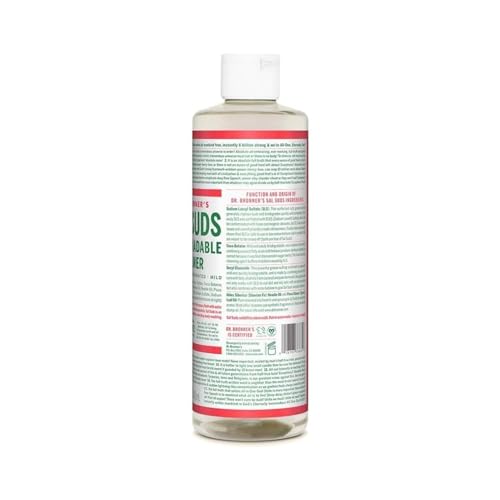
Dr. Bronner’s Sal Suds biodegradable cleaner
Sal Suds is a plant-based surfactant cleaner that the soap scum review page names as its overall pick, saying it cuts through grease and…
As an Amazon Associate we earn from qualifying purchases. Prices and availability can change.
Body oil, lotion and soap combine into a greasy film that ordinary rinsing leaves behind, and kitchen degreasers can be too harsh for a tub. This guide compares the best grease cutter for bathtubs across cleaners, concentrates and drain gels, using review-page claims and flagging where tub use is not stated.
Quick verdict on the best grease cutter for bathtubs
For a general grease and soap film cleaner, Dr. Bronner’s Sal Suds is the pick whose review page says it cuts through grease and removes soap scum. For tub-specific wording, Don Aslett Tub N Tile lists body oils and acrylic. For drain grease, Liquid-Plumr and Green Gobbler list grease as a target.
Most degreaser reviews are written about kitchens and garages, not tubs, so the grease results quoted there do not prove tub results. Use the picks below as a map of what each page states, then read the label for your tub material and test on a hidden spot before cleaning the whole surface.
Selection rests on published review text. A product needed a page that states a grease, oil or soap film claim, a form or a use, and at least one surface or caution. The list mixes tub cleaners, all-purpose degreasers and drain products because grease in a tub shows up on the shell and in the drain.
Information comes from review pages on soap scum removers, degreasers, drain cleaners and tub cleaners. Where a page tested a product on a cookie sheet or a cooktop, the entry says that the result is a kitchen test. Where a page does not list a surface, the entry says so and the label decides.
The writer has not used these products. Nothing here describes how a product performs in a tub, and no result is promised. Treat the list as a spec comparison, read the label, ventilate the room and test any new product on a hidden spot of the tub before you commit.
Tub cleaners, degreasers and drain gels for grease
The entries start with cleaners that list soap scum and grease on the tub surface and finish with drain products that list grease in the pipe. Read the surface and caution lines in each entry first, since a strong degreaser can dull or etch a finish that a mild tub cleaner would leave alone.
Sal Suds is a plant-based surfactant cleaner that the soap scum review page names as its overall pick, saying it cuts through grease and dirt and excels at stubborn soap scum. It suits a household that wants one gentle-sounding cleaner for tub film and a general routine.
The page lists plant-based surfactants with pure fir and spruce essential oils.
It says the product is free of synthetic dyes, fragrances, preservatives and harsh chemicals.
It lists the product as certified cruelty-free by Leaping Bunny.
Form, size, directions and the surfaces it is safe on are not stated.
Because the surfaces are not stated, read the bottle for dilution and acrylic or enamel guidance before using it on a tub. Rinse well, since any surfactant left behind can leave a film of its own.
Pros are the grease and soap scum wording and the plant-based list. Cons are the missing surface and dilution information.
Buy if you want a surfactant cleaner. Skip if you need the label to name your tub material.
Simple Green is a concentrate that the degreaser review page calls its all-purpose pick and describes as the gentler option. It suits a household that wants control over strength, with a full-strength use for grease and weaker dilutions for light cleaning.
The page lists a concentrate in a 32 fl oz size from the retailer link.
It says to use it full strength for grease and heavy jobs, or dilute 1:10 for general use or 1:30 for light cleaning.
It lists most surfaces, including fabrics, and an EPA Safer Choice recognition.
The page reports that full strength cleared about 90 percent of the mess in one pass on stainless steel, a kitchen test.
The page does not mention tubs or acrylic, and the review also notes it may not be strong enough for a greasy oven. Start with a light dilution and a hidden test spot on any tub, and rinse thoroughly.
Pros are the adjustable strength and the stated dilutions. Cons are the lack of any tub mention and the kitchen test basis.
Buy if you like to control dilution. Skip if you want tub-specific wording.
Zep is a spray described as a professional-grade formula and as safe for kitchens, bathrooms and living spaces. It suits a household that wants a ready-to-use degreaser for the bathroom and will rinse each surface after use, as the page says to do for every area.
The page lists a spray in a 32 oz size from the retailer link.
It says it effectively removed a light layer of grease and struggled to clear more than half of baked-on grease.
It lists bathrooms among the safe spaces and says to rinse each surface after use.
No unsafe surfaces are listed, and ingredients are not listed.
A bathroom listing is not the same as an acrylic listing, so read the label for tub finishes. The kitchen result on baked-on grease says little about body oil film, which is lighter and usually mixed with soap.
Pros are the ready-to-use spray and the bathroom wording. Cons are the unstated ingredients and the weaker result on heavy grease.
Buy if you want a spray for light film. Skip if you need acrylic named on the label.
Tub N Tile is a mild-acid concentrate that the page says breaks down hard-water deposits and body oils, with acrylic named in the text. It suits a household whose film is a mix of oil and mineral deposits on a tub or shower wall, which a plain soap cleaner may leave behind.
The page lists a concentrate you dilute, with sizes of 1 quart in the table and 32 oz in the title.
It lists fiberglass, acrylic and grout as rated safe in the text, and bathtub and tiles in the table.
It lists a mild acid formula that foams when diluted and sprayed.
No mixing ratio is given, and the page says to rinse well to avoid residue on chrome.
The size conflict means you should check the bottle. A mild acid formula needs a thorough rinse, and it should stay off trim or fixtures that the label warns about, so read the cautions before spraying.
Pros are the body oil wording and the acrylic mention. Cons are the missing ratio and the conflicting size.
Buy if oil and hard water appear together. Skip if you want a ready-to-use spray.
These foam pads activate with water and are described as helping to loosen and remove soap scum, toothpaste, fingerprints and grease. They suit spot scrubbing on a rim, a corner or a stubborn patch on a hard surface, where a spray alone leaves a visible ring.
The page lists foam scrubber pads in a Durafoam material with foaming cleansers.
It lists pack sizes of 10 and 4 from the article links.
It says the pads were used on the tub, shower, sink, toilet, floor and walls.
Another review page says they are not meant for chrome, wood, natural stone and high-gloss finishes.
The page describes applying abrasive force to the surface, so light pressure matters, and a glossy finish deserves a test spot first. The product page does not name acrylic.
Pros are the grease and soap scum wording and the handy format. Cons are the abrasive action and the high-gloss warning.
Buy if you want a spot scrubber for hard surfaces. Skip if your tub finish is glossy and delicate.
Seventh Generation is the mild option on this list. The review page lists acrylic as a safe surface and says the cleaner gently dissolves soap scum and hard water stains, but it makes no grease claim. It suits regular upkeep, before heavy film builds up on the shell.
The page lists safety on acrylic, ceramic, fiberglass, porcelain, satin-nickel and stainless steel.
It lists citric acid and 91 percent plant-based ingredients, with a USDA certification mentioned.
It says there is no chlorine bleach, synthetic fragrance, dye or solvent.
It is listed as septic-safe, and form, size and directions are not stated.
Because there is no grease claim, treat it as the gentle first step for light film and move to a stronger product only if the label allows it. Rinse well after use.
Pros are the acrylic listing and the mild formula. Cons are the missing grease claim and directions.
Buy if you want regular gentle upkeep. Skip if you have heavy oily buildup.
This caustic gel is a drain product, not a tub surface cleaner, and the review page lists hair, soap scum and grease as targets. It suits a tub whose greasy film has built up in the trap and slowed the drain, as long as the label is followed closely and splashes are rinsed off.
The page lists a gel in a 16 fl oz size from the retailer link and a wait time of 15 minutes.
It says the label recommends the entire bottle per clog.
It warns to avoid contact with skin or other surfaces in the bathroom and says the gel can stain surfaces.
The active ingredient and pipe compatibility are not stated.
Never exceed the maximum dwell time, since the review page says heat can crack porcelain or melt pipes, and never mix drain products. Keep the gel off the tub surface and rinse splashes at once.
Pros are the grease target and the short wait. Cons are the staining warning and the caustic nature.
Buy if grease has slowed the drain. Skip if your pipes are old or unknown.
This liquid is described as biodegradable and noncorrosive, and the review page lists grease and soap scum among its targets. It suits a household with a slow, greasy drain that wants a milder drain product and can wait longer for it to work, even overnight if needed.
The page lists a dual-chambered liquid in a 31 oz size from the retailer link.
It lists toilet paper, cotton swabs, hair, lint, grease and soap scum as targets.
It lists a wait of 15 minutes to a full night, with one chamber for sinks and tubs.
It is described as safe on plastic through copper, and the page says to flush with hot water.
The longer wait is the trade for the milder wording. Check the label before using it with any other product, and keep it off the tub surface unless the label allows it.
Pros are the grease and soap scum targets and the milder wording. Cons are the long wait and the unnamed ingredients.
Buy if you want a gentler drain product. Skip if the tub is blocked and you need a fast fix.
Buying guide for the best grease cutter for bathtubs
Tub grease is mostly body oil and soap film, so the best choice is the gentlest product that works. The sections below explain how to read grease claims, when a degreaser is too strong for a tub, how to dilute and rinse, and how to deal with grease in the drain.
What tub grease is made of
The film on a tub usually combines soap residue, body oil, lotion and mineral deposits from the water. Soap scum cleaners and body oil cleaners work on this mix, while kitchen degreasers are tested on cooking grease, a different soil, so their results do not carry over directly.
That is why this guide keeps quoting the page and not a result. A product that cleared grease on a cookie sheet may or may not suit a glossy acrylic shell, and the label for your surface is the better guide.
Read the surface line first
Look for your tub material on the label: acrylic, fiberglass, porcelain enamel, cast iron or stone resin. The review page advises identifying your tub material and checking the label for compatibility, and testing abrasive products on a hidden spot first.
Degreaser pages in this guide warn that some products can harm glass cooktops, painted surfaces, brass or copper. A product without a tub listing may still be fine, but the burden is on the label, not on a kitchen review.
Dilution and dwell time
Concentrates must be diluted according to the label, and the degreaser review page says more is not always better. Simple Green lists full strength for grease and 1:10 or 1:30 dilutions for lighter work, but those are the page figures for kitchens, so start light on a tub.
Do not leave any cleaner to dry on the surface. Spray, wait the label time, wipe with a soft cloth, and rinse. If a film remains after rinsing, the cleaner itself may be the cause, and a second rinse with plain water often helps.
Safety and ventilation
Open a window or run the fan, wear gloves, and keep pets and children out of the room. The degreaser page says concentrates can be corrosive and recommends eye protection and long rubber gloves. Never mix cleaners, because the reaction can release harmful fumes.
Store products as the label says and keep them in their original containers. If you use a drain product, do not combine it with a surface cleaner in the same session, and follow the maximum dwell time stated on the bottle.
Grease in the drain line
Grease often collects in the trap and slows the drain, which is why Liquid-Plumr and Green Gobbler list it as a target. The drain cleaner page says caustic cleaners work best on food, grease and soap scum, while enzymatic cleaners do not handle grease or soap scum well.
Try a hair tool first if hair is visible, and use a drain product only as the label directs. A tub that stays slow after one careful attempt may have a clog beyond the trap, and a plumber is the next step.
Jetted tubs and grease
A jetted tub collects body oil and soap in its jet lines, where a surface cleaner cannot reach. The Oh Yuk jet line cleaner is described on one page as dissolving body oils and soap scum, with a routine of filling above the jets, adding four ounces and running about 15 minutes.
That summary is not a label, so follow the bottle and the tub maker guidance, and avoid additives the maker warns against. Drain and rinse the system fully after any cleaning cycle.
Tub grease cutter FAQ
These answers cover the questions people ask most often about greasy film in a tub. They follow the review pages and stay general where a page gives no tub results, and they send you to the product label and the tub maker guidance for anything about your specific finish.
Can I use a kitchen degreaser in my bathtub?
Only if the label allows it. The degreaser review page tested products on cookie sheets, cooktops and garage floors, and says some products can harm certain surfaces. Zep lists bathrooms as safe spaces, but no kitchen review proves a product suits acrylic, so check the label and test a hidden spot.
What is the greasy film on my tub?
It is typically a mix of soap residue, body oil, lotion and mineral deposits from the water. Soap scum cleaners and body oil cleaners target that mix. A cleaner that names body oils, such as Tub N Tile, matches it more directly than a product tested on cooking grease.
Is dish soap a good grease cutter for a tub?
None of the fetched pages tests dish soap on tubs, so no claim is made here. A plant-based surfactant cleaner like Sal Suds is the closest listed option. If you try any soap, rinse thoroughly, use a soft cloth, and test a hidden spot of the tub first before wider use.
Will a drain cleaner remove grease from the tub surface?
No. Drain products are meant for the pipe, and the gels here warn against contact with skin or other surfaces in the bathroom. Use a tub cleaner for the shell and a drain product only in the drain, following each label and never mixing the two products together.
How do I stop grease and soap film from building up?
Rinse the tub after each use, wipe the rim and walls, and clean on a regular schedule instead of waiting for heavy film. The soap scum review suggests removing water spots and mineral deposits daily or weekly, and a good soap dispenser can limit drips.
Are plant-based cleaners strong enough for tub grease?
Some pages say so. Sal Suds is described as cutting through grease and dirt, and Tub N Tile as breaking down body oils. No page measures strength on tubs, so treat these as label claims, and expect heavy buildup to need repeated gentle cleaning over several sessions.
Conclusion
The best grease cutter for bathtubs is the gentlest one that handles your film. Start with Sal Suds or Tub N Tile for body oil and soap film, add Seventh Generation for gentle upkeep on acrylic, and use Liquid-Plumr or Green Gobbler only in the drain, never on the shell. Read every label and test a hidden spot first.
M
Modern Line Home Editorial Team
We compare specs, materials and verified owner reviews before a product earns a spot. Rankings are never paid.
Affiliate disclosure. As an Amazon Associate we earn from qualifying purchases at no extra cost to you. Prices accurate as of the date shown.
Compare the best inexpensive whirlpool bathtubs by listed jets, pump, size, material and limits, with electrical needs and tips for checking live listings.
Compare the best inexpensive deep bathtubs by listed water depth, capacity, size and material, with limits noted and tips for checking each live listing first.
Shopping for the best bathtubs under 600? Compare entry-level alcove, drop-in and freestanding tubs by their listed size, depth and features, with limits noted.
Searching for the best bathtubs under 250? See portable, foldable, inflatable and basic steel options ranked by listed features, with limits and what to check.
Looking for the best tape for bathtubs? Compare five self-adhesive caulk strips by width, length, material and limits, plus prep steps and when tape fails.
A practical guide to curtain rods for bathtubs: tension, curved, wall-mounted and corner designs, with listed lengths, materials, weight limits and trade-offs.
Choose the best bathtub trays by expandable range, material, book and wine glass slots and grip, with a clear buying guide, care tips and an FAQ for bath fans.
Find the best rust primer for bathtubs: compare rust converters, rust-bonding and oil or water-based primers, with prep steps, limits and an FAQ for metal tubs.
Compare the best epoxy paint for bathtubs by surfaces, curing times, odor and application, with prep steps, buying advice and a full FAQ for worn or dull tubs.
Compare the best wax for bathtubs by listed surfaces, form and limits, and learn the slip risk, prep needs and when to skip wax, with a buying guide and FAQ.













Write Your Review
No reviews yet. Be the first to share your experience!