
Our Top Picks
Our top picks at a glance
 Sealy Posturepedic Plus Glenshaw 15″ Medium Pillowtop Innerspring Mattress – QueenCheck price on Amazon
 Sealy Posturepedic Pro Haverford 15″ Medium Pillowtop Innerspring Mattress – QueenCheck price on Amazon
 Sealy Posturepedic Plus Glenshaw 13″ Medium Tight Top Hybrid Mattress – QueenCheck price on Amazon
 Sealy Posturepedic Fayette 12″ Medium Tight Top Hybrid Mattress – QueenCheck price on Amazon
 Sealy Posturepedic Plus Glenshaw 14″ Soft Tight Top Innerspring Mattress – QueenCheck price on Amazon
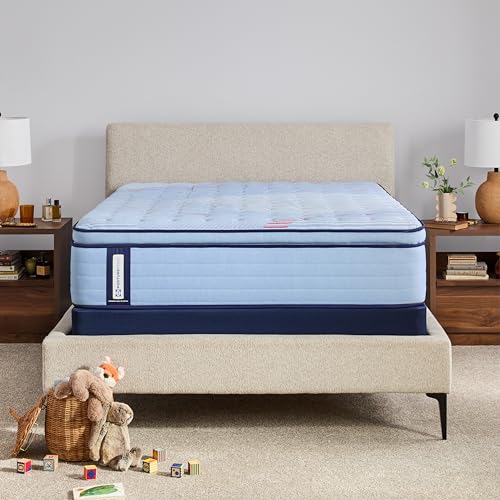 Sealy Posturepedic Fayette 14″ Soft Pillowtop Innerspring Mattress – QueenCheck price on Amazon
Side sleeping puts your weight on a narrower set of contact points than back or stomach sleeping, so the surface you choose has to cushion your shoulder and hip while the support core underneath keeps the middle of the mattress from dipping too far. Sealy builds that balance in several different ways across its Posturepedic lines, which is why choosing the best sealy mattresses for side sleepers is less about picking a single winner and more about matching a maker-listed comfort level, a construction type, and a profile height to the way you actually sleep. A soft pillowtop, a medium hybrid, and a medium tight top can all suit a side sleeper, but they feel very different in the first few inches and they behave differently if you share the bed or use an adjustable base.
This guide compares six genuine Sealy mattresses, all in the queen size shown on their listings, drawn from the Posturepedic Plus, Posturepedic Pro, and standard Posturepedic Fayette families. Every pick uses encased coils rather than a foam-only core, every pick is listed by the maker as medium or soft (plush), and every pick carries a moisture-wicking cover. Those shared traits make the comparison cleaner: the real differences are height, top style, coil count, edge system, and whether the comfort layers sit in a traditional innerspring build or in a hybrid build with memory foam over the coils. Read the quick verdict for the short answer, use the table to narrow the field to two or three names, then check the individual sections for the trade-offs that matter at the shoulder, at the edge, and in a shared bed.
Quick verdict
If you want the most cushioned traditional option, start with the Sealy Posturepedic Plus Glenshaw 15-inch Medium Pillowtop. Its tall pillowtop build, 966 encased coils, and DuraFlex Coil Edge give a side sleeper a deep comfort layer over a substantial coil core. If you prefer a pillowtop with the step-up support system in the Pro line, the Sealy Posturepedic Pro Haverford 15-inch Medium Pillowtop adds MaxSupport Technology and the highest coil count in this group at 1,066, plus a cool-to-the-touch cover. If you like the contouring feel of memory foam but still want coils underneath, the two hybrids split by budget and height: the Posturepedic Plus Glenshaw 13-inch Medium Hybrid pairs memory foam layers with 966 coils and the DuraFlex edge, while the Posturepedic Fayette 12-inch Medium Hybrid keeps the same hybrid idea in a lower, simpler profile with 736 coils and a standard Coil Edge.
Side sleepers who already know that medium feels too firm should look at the two soft models instead of forcing a medium to work. The Posturepedic Plus Glenshaw 14-inch Soft Tight Top delivers a plush, tight-top surface without a pillowtop layer, which keeps the sleeping surface smoother and lower than the 15-inch pillowtops. The Posturepedic Fayette 14-inch Soft Pillowtop is the softest-feeling format in the group on paper, combining a plush comfort level with a pillowtop top style and individually encased coils. In short: choose medium for a balanced surface you can also use for back sleeping, choose soft for maximum shoulder cushioning, choose a hybrid for memory foam contouring, and choose a pillowtop innerspring for a more traditional, lifted feel.
Comparison table
| Product | Profile | Maker-listed comfort | Construction | Coils (queen) | Edge system |
|---|---|---|---|---|---|
| Sealy Posturepedic Plus Glenshaw 15″ Medium Pillowtop Innerspring Mattress – Queen | 15 in | Medium | Innerspring, pillowtop | 966 | DuraFlex Coil Edge |
| Sealy Posturepedic Pro Haverford 15″ Medium Pillowtop Innerspring Mattress – Queen | 15 in | Medium | Innerspring, pillowtop | 1,066 | DuraFlex Coil Edge |
| Sealy Posturepedic Plus Glenshaw 13″ Medium Tight Top Hybrid Mattress – Queen | 13 in | Medium | Hybrid, tight top | 966 | DuraFlex Coil Edge |
| Sealy Posturepedic Fayette 12″ Medium Tight Top Hybrid Mattress – Queen | 12 in | Medium | Hybrid, tight top | 736 | Coil Edge |
| Sealy Posturepedic Plus Glenshaw 14″ Soft Tight Top Innerspring Mattress – Queen | 14 in | Soft (plush) | Innerspring, tight top | 966 | DuraFlex Coil Edge |
| Sealy Posturepedic Fayette 14″ Soft Pillowtop Innerspring Mattress – Queen | 14 in | Soft (plush) | Innerspring, pillowtop | 736 | Coil Edge |
The table uses only maker-listed and listing-stated details: profile height, comfort description, construction type, coil count for the queen size, and the edge system named on the product page. Coil count is not a quality score on its own. A higher count usually means smaller, more numerous coils that can flex in more places, but the gauge, the comfort layers above them, and the top style shape the feel just as much. Use the count to understand the build, then use comfort level and top style to predict how the surface will treat your shoulder when you roll onto your side.
How we selected
We limited this guide to genuine Sealy models only. Each pick is a Sealy Posturepedic, Posturepedic Plus, or Posturepedic Pro mattress with a named collection — Glenshaw, Haverford, or Fayette — and a specific model number on its listing. No other brands were used to fill the list, and no generic or unbranded mattress was considered, because a shopper searching for a Sealy for side sleeping wants to compare within the brand’s own system of comfort levels and coil designs.
Next, we filtered by maker-listed comfort level. Side sleepers generally need more surface give than back or stomach sleepers, so firm and ultra firm Sealy models were set aside even when they were otherwise well built. Every mattress below is listed as medium or soft, with the soft models also described as plush in their listing details. That filter matters more than marketing language: a comfort level is a stated specification you can compare across the range, while vague claims about perfect sleep are not.
Construction was the third filter. All six picks use encased or pocketed coils, which the maker lists as flexing individually and helping to limit how much movement travels across the bed. That design suits side sleepers for two practical reasons. First, individual coils can give more at the shoulder and hip while staying firmer under the waist, rather than moving as one stiff unit. Second, encased coils tend to transfer less motion than a connected coil unit, which matters if a partner changes position during the night. Foam-only models were left out so that every recommendation shares that coil-based support character.
Finally, each mattress had to be available as a real, orderable listing in the size shown, with its key specifications — height, coil count, cover, and edge system — stated on the page. A model whose details could not be confirmed was excluded rather than described with guesswork. Where this guide states a fact about a mattress, it is phrased as the maker lists it, because comfort names and technologies are Sealy’s own terms and should be read that way.

Top picks
Sealy Posturepedic Plus Glenshaw 15″ Medium Pillowtop Innerspring Mattress – Queen
The Glenshaw 15-inch Medium Pillowtop is the tallest traditional innerspring in this guide, and that height is doing real work for a side sleeper. A pillowtop adds a separate cushioned layer sewn on top of the main comfort stack, so your shoulder meets a soft, lofted surface first and the support layers engage underneath it. The maker lists the comfort level as medium, the construction as innerspring, and the coil system as PrecisionFit encased coils with a count of 966 in the queen size. For side sleeping, that combination reads as cushioning on top with a coil core that can still flex point by point rather than pushing back as a flat slab.
The cover and edge details are equally practical. The maker lists a MoistureProtect Cover that wicks moisture away from the body, which helps the surface feel drier through the night without turning this into a specialist cooling mattress. Around the perimeter, the DuraFlex Coil Edge surrounds the mattress and is listed as providing a solid seating surface that stays flexible when the mattress is paired with an adjustable base. Side sleepers use the edge more than they realise: sitting to get up, sleeping close to a partner’s side, and dressing on the bed all load the perimeter, so a reinforced edge keeps the usable sleeping width closer to the full width of the queen.
The encased coils are also listed as reducing motion transfer, so a partner turning over should disturb the surface less than on a traditional connected-coil bed. The trade-off is the profile itself. At 15 inches, this mattress needs deep-pocket sheets, sits high on many frames, and is a heavier, bulkier piece to rotate. If your bed already sits tall, measure the total height before choosing it.
- Buy it if: you sleep mainly on your side and want a medium feel with the deepest pillowtop cushioning in the Sealy group, plus a reinforced edge for sitting and adjustable-base use.
- Skip it if: your frame already sits high, you prefer a low-profile bed, or you want the contouring feel of memory foam rather than a traditional pillowtop surface.
Sealy Posturepedic Pro Haverford 15″ Medium Pillowtop Innerspring Mattress – Queen
The Haverford 15-inch Medium Pillowtop matches the Glenshaw pillowtop on height and comfort level, then steps up the support specification. The maker lists 1,066 encased coils in the queen size, the highest count in this guide, along with MaxSupport Technology, which the maker describes as providing targeted support across the mattress. It also lists PrecisionFit-style targeted support from its coil system, a medium firmness description, and an innerspring construction with a pillowtop top style. For a side sleeper who is heavier, or who shares the bed and uses more of its surface, that denser coil field is the main reason to choose the Haverford over the Glenshaw.
The cover is a point of difference too. Where the Glenshaw uses a MoistureProtect Cover focused on wicking, the Haverford listing names a cool-to-the-touch cover with MoistureProtect, so the surface is designed to feel cool at first contact as well as wick moisture during the night. Side sleepers press a large area of skin and bedding into one spot for long stretches, so a cover that starts cool can make settling onto your side more comfortable in a warm room. The DuraFlex Coil Edge appears here as well, giving the same solid seating surface and adjustable-base flexibility described for the Plus pillowtop.
Motion handling follows the same encased-coil logic: the maker lists the coils as reducing motion transfer between partners. The considerations mirror the other 15-inch model. This is a tall, substantial mattress that calls for deep-pocket bedding and a frame and foundation combination rated for its weight, and its pillowtop surface will feel more traditional and lifted than a hybrid’s closer contour. Choose it when the extra coil density and the cool-touch cover are worth the step up within the range.
- Buy it if: you want a medium pillowtop with the densest coil support in this group and a cover that feels cool when you first lie down on your side.
- Skip it if: a 15-inch profile is too tall for your frame or bedding, or you prefer the simpler Glenshaw pillowtop and do not need the higher coil count.
Sealy Posturepedic Plus Glenshaw 13″ Medium Tight Top Hybrid Mattress – Queen
The Glenshaw 13-inch Medium Hybrid is the pick for a side sleeper who likes memory foam’s close contouring but does not want to give up a coil core. The maker lists the construction as hybrid, combining encased coils with Sealy memory foam layers, a medium firmness description, and a coil count of 966 in the queen size — the same coil count as the Glenshaw innerspring models, now working under foam comfort layers instead of a pillowtop. In practice, that format usually feels like it hugs the shoulder and hip more closely at the surface while the coils below provide the lift and airflow a foam-only bed lacks.
Because the top is a tight top rather than a pillowtop, the surface is smoother and the profile drops to 13 inches. That makes bedding easier than on the 15-inch models and gives the bed a more conventional height on most frames, while still leaving enough total thickness for a layered hybrid build. The maker lists the MoistureProtect Cover for moisture wicking and the DuraFlex Coil Edge for a solid seating surface that remains flexible with an adjustable base, so the practical edge and cover benefits of the Plus line carry over to the hybrid.
The maker also lists the encased coils as reducing motion transfer, and hybrid builds tend to suit couples for the same reason: foam absorbs surface movement while individual coils localise the rest. The compromise is feel. A hybrid’s foam layers hold your shape more than a pillowtop’s lofted surface, so if you change sides often and prefer a mattress that responds instantly and feels bouncy, an innerspring pick may suit you better. If you settle on one side and stay there, the contouring is usually the point.
- Buy it if: you sleep on your side and want memory foam contouring over a substantial 966-coil core, in a mid-height 13-inch profile with a reinforced edge.
- Skip it if: you dislike the slower, shape-holding feel of memory foam, or you want the lofted surface of a pillowtop instead of a smooth tight top.
Sealy Posturepedic Fayette 12″ Medium Tight Top Hybrid Mattress – Queen
The Fayette 12-inch Medium Hybrid is the most straightforward hybrid in the guide: the lowest profile, the simplest edge system, and the same core idea as the Glenshaw hybrid at a smaller scale. The maker lists a hybrid construction that combines encased coils with Sealy memory foam layers, a medium firmness description, and 736 encased coils in the queen size. It names the support system as PrecisionFit Coils, which the maker describes as flexing to the body’s individual needs, and it lists the comfort benefit in terms of the hybrid pairing of cushioning foam with coil support.
At 12 inches, this is the easiest mattress here to fit. Standard sheets are more likely to work, the bed stays at a familiar height for getting in and out, and the lower profile suits platform frames, guest rooms that double as side-sleeper rooms, and anyone who finds tall mattresses awkward. The maker lists a MoistureProtect Cover that wicks moisture to help keep the sleeper cool and dry, so the cover story matches the rest of the range even at this simpler tier.
The edge system is the standard Coil Edge rather than the DuraFlex version on the Plus and Pro models. The maker lists it as reinforcing the edges for a solid seating and sleep surface, but side sleepers who habitually sleep right at the perimeter or sit on the edge for long periods may notice the difference versus the reinforced models above. With 736 coils rather than 966 or 1,066, the support field is also less dense. For an average side sleeper who wants the hybrid feel without a tall or heavy mattress, that trade is reasonable; for a heavier sleeper, the Glenshaw hybrid’s denser core is the safer match.
- Buy it if: you want a medium hybrid for side sleeping in a manageable 12-inch profile, with memory foam over encased coils and a moisture-wicking cover.
- Skip it if: you need the strongest edge support or the densest coil core in the range, or you sleep right at the edge of the bed every night.
Sealy Posturepedic Plus Glenshaw 14″ Soft Tight Top Innerspring Mattress – Queen
The Glenshaw 14-inch Soft Tight Top is for the side sleeper who has already decided that medium is not soft enough. The maker lists its firmness description as plush and its model name as soft, with an innerspring construction, a memory foam comfort layer material in its listing details, 966 encased coils in the queen size, and dimensions of 79 by 60 by 14 inches for the queen. That specification — a genuinely soft comfort level over the same 966-coil PrecisionFit core used in the Plus medium models — is what sets it apart. The softness is in the comfort layers, not in a weaker support system.
The tight top format matters as much as the comfort word. Without a pillowtop, the soft surface is smoother and more even, with no extra lofted layer to shift or bunch, and the 14-inch profile sits between the hybrids and the 15-inch pillowtops for bedding fit. Side sleepers who use a thinner pillow, or who alternate between side and back but find medium surfaces firm at the shoulder, often prefer this kind of build: give at the contact points, but a flat, stable surface overall. The maker lists the MoistureProtect Cover for wicking and the DuraFlex Coil Edge for a durable, flexible seating and sleeping perimeter, so the Plus line’s practical features are all present.
The caution with any soft mattress is support at the waist. A soft comfort layer lets the shoulder and hip sink, which is the point for side sleeping, but a sleeper who is substantially heavier may sink through the comfort layers further than intended and should compare the medium Glenshaw models first. Likewise, if you spend part of the night on your stomach, a soft surface is rarely the right compromise. This pick is a deliberate, single-position choice.
- Buy it if: medium mattresses feel too firm at your shoulder, and you want a plush, smooth tight top over a full 966-coil support core with a reinforced edge.
- Skip it if: you are a heavier sleeper, you split the night between side and stomach sleeping, or you prefer the extra loft of a pillowtop surface.
Sealy Posturepedic Fayette 14″ Soft Pillowtop Innerspring Mattress – Queen
The Fayette 14-inch Soft Pillowtop combines the two softest format choices in the range: a plush comfort level and a pillowtop top style. The maker lists the firmness description as plush, the construction as innerspring, the coil type as pocketed coil, and the coil count as 736 in the queen size, with each coil in the Posturepedic Support System individually encased to reduce motion transfer. For a side sleeper, that reads as the most cushioned first impression in this guide — a lofted pillowtop layer in a soft build, over coils that can still flex independently at the shoulder and hip.
The cover and support details follow the Fayette pattern. The maker lists a MoistureProtect Cover that wicks moisture away to help keep the sleeper cool, dry, and comfortable, and PrecisionFit Coils that flex to the body’s individual needs. The 14-inch profile gives the pillowtop room to exist without reaching the 15-inch height of the medium pillowtops, so deep-pocket sheets are still advisable but the total bed height is a little easier to manage. As a standard Posturepedic model rather than a Plus or Pro model, its edge system is the Coil Edge approach used across the Fayette line, reinforcing the perimeter for seating and sleeping.
This is the pick to choose by feel rather than by specification sheet. Its coil count matches the Fayette hybrid rather than the denser Glenshaw core, and its soft pillowtop surface is the least suitable here for stomach sleeping or for anyone who likes a mattress to feel firm and flat. But for a lighter or average side sleeper who consistently wakes up preferring more cushion than a medium provides, it is the most direct expression of what they are asking for: soft on top, coil-supported underneath, and built to limit how much a partner’s movement reaches their side of the bed.
- Buy it if: you are a dedicated side sleeper who wants the softest, most cushioned surface in the Sealy group, with a pillowtop layer over individually encased coils.
- Skip it if: you need a dense coil core for higher body weight, you also sleep on your stomach, or you prefer a smooth tight top to a lofted pillowtop.
Buying guide
Start with comfort level, not with the collection name
Sealy’s collection names — Posturepedic, Posturepedic Plus, and Posturepedic Pro — describe tiers of specification, but the word that predicts your first night is the comfort level. For side sleeping, stay within medium and soft. Medium suits side sleepers who also spend time on their back, who are heavier and need the comfort layers to give less, or who simply prefer a surface that feels supported rather than enveloping. Soft, listed as plush in the detail fields of the two soft models here, suits lighter side sleepers and anyone who finds that a medium surface leaves their shoulder feeling compressed rather than cushioned. If you are between the two, consider your pillow as well: a soft mattress plus a thick pillow can push the shoulder and neck out of line just as a firm mattress can, because what matters is the total stack under your head and shoulder together.
Choose the top style for the surface you want
Pillowtop, tight top, and hybrid tight top are three distinct surfaces. A pillowtop adds a lofted, cushioned layer on top of the mattress, giving side sleepers an immediately soft landing and a more traditional, hotel-style feel, at the cost of extra height and a surface that can feel less even. A tight top keeps the comfort layers inside the main body of the mattress, producing a smoother, flatter sleeping surface that many combination sleepers prefer. A hybrid replaces the upper build with memory foam layers over coils, so the surface contours closely and quietly, with less bounce and a slower response when you change sides. None of these is objectively best; they are different answers to how you want the first few inches of the mattress to behave.
Read coil count and edge systems in context
Every mattress in this guide uses encased or pocketed coils, and the queen coil counts run from 736 in the Fayette models to 966 in the Glenshaw models and 1,066 in the Haverford. More coils generally means the support can flex in more, smaller places, which can help a coil core follow the different depths a side sleeper’s shoulder, waist, and hip require. It does not automatically mean a better mattress for you, because comfort layers decide most of what you feel. Edge systems deserve equal attention. The maker lists the DuraFlex Coil Edge on the Plus and Pro models as a solid seating surface that stays flexible with an adjustable base, while the Fayette models use a Coil Edge listed as reinforcing the perimeter. If you sleep near the edge, sit on the bed to dress, or use an adjustable base, weight the edge specification heavily.
Match the profile height to your frame and bedding
Heights here run from 12 to 15 inches, and that range changes daily life more than most specifications. A 12- or 13-inch mattress works with most standard sheet sets and keeps the bed at an easy height for shorter sleepers. A 14- or 15-inch mattress usually needs deep-pocket sheets, raises the top of the bed noticeably, and can make a tall frame feel imposing in a small room. Measure your current setup — frame, foundation, and mattress together — before choosing a taller model, and check that your foundation is the type the listing names as compatible with the mattress you pick.
Think about sharing the bed
Side sleepers are often light sleepers in one specific way: lying on your side, you feel surface movement clearly when a partner turns or gets up. The maker lists the encased coils in these models as reducing motion transfer, and the hybrids add foam layers that absorb movement at the surface. If you share with a restless partner, favour an encased-coil model — which is all six here — and consider the hybrids first. Also consider usable width: a reinforced edge keeps the comfortable sleeping area closer to the full width of the mattress, which matters more in a queen shared by two side sleepers than in a king used by one.
Plan for delivery and setup
These are traditional, full-size mattresses rather than compressed bed-in-a-box models, and the listings describe in-home delivery arrangements for Sealy mattresses, including placement in your chosen room. Confirm the delivery terms on the listing for the exact model and size you order, arrange a clear path to the bedroom, and decide in advance what happens to your old mattress. Once the new mattress is in place, rotate it on the schedule the maker recommends for that model, and give a new comfort level at least a few weeks before judging it — your shoulder and hip need time to adjust to a surface that gives differently from your old bed.
FAQ
Is medium or soft better for side sleepers in the Sealy range?
It depends on your build and your other sleep positions. The maker lists both comfort levels across these models, and each serves a different sleeper. Medium suits side sleepers who also sleep on their back, who carry more weight, or who prefer a more supported feel. Soft, described as plush in the listing details, gives more at the shoulder and hip and suits lighter, dedicated side sleepers. If you have only ever slept on medium and still find your shoulder feels pressed, the soft Glenshaw and Fayette models are the logical next step within the same brand.
What is the difference between the Glenshaw, Haverford, and Fayette names?
They are different model families within Sealy’s Posturepedic lines, with different specifications. In this guide, the Glenshaw models are Posturepedic Plus mattresses with 966 coils and the DuraFlex Coil Edge, offered as a pillowtop innerspring, a tight top hybrid, and a soft tight top. The Haverford is a Posturepedic Pro pillowtop with 1,066 coils and MaxSupport Technology. The Fayette models are standard Posturepedic mattresses with 736 coils and a Coil Edge, offered as a medium hybrid and a soft pillowtop. The family name is a quick way to predict the coil count and edge system before you check the details.
Should a side sleeper choose a hybrid or an innerspring Sealy?
Choose a hybrid if you like memory foam’s close, quiet contouring over a coil core, and an innerspring if you prefer a more responsive, traditional surface. Both constructions here use encased coils, so the support character is similar underneath; the difference is what sits on top. The Glenshaw and Fayette hybrids pair the coils with Sealy memory foam layers, while the innerspring pillowtops and tight tops use a more conventional comfort stack. Sleepers who change sides frequently often prefer the innerspring response, while sleepers who settle in one position often prefer the hybrid contour.
Does coil count really matter for side sleeping?
It matters, but it is not the whole story. A higher coil count, such as the 1,066 the maker lists for the Haverford or the 966 in the Glenshaw models, means more individual flex points in the support core, which can help the mattress give at the shoulder while holding at the waist. A lower count, such as the 736 in the Fayette models, still uses individually encased coils and can suit an average side sleeper well. Judge coil count together with comfort level and top style rather than treating the largest number as an automatic winner.
Will these mattresses work on an adjustable base?
The maker specifically lists the DuraFlex Coil Edge on the Plus and Pro models as more flexible when paired with an adjustable base, which signals that those models are designed with adjustable use in mind. For any model, check the listing’s stated base compatibility before ordering, and confirm your base is rated for the mattress’s weight and profile. A 15-inch pillowtop on an adjustable base also needs bedding that can flex without pulling loose, so deep-pocket, stretch-fit sheets are the practical pairing.
What size are the mattresses in this guide?
Each pick is shown in its queen listing, and the dimensions stated for the soft Glenshaw queen are 79 by 60 by 14 inches. Sealy offers these model families in other sizes as well, but specifications such as coil count are size-specific — the counts quoted here are for the queen size. If you order a twin, full, king, or California king version, check that size’s own listing for its coil count, dimensions, and comfort description rather than assuming the queen figures carry over unchanged.
Conclusion
The Sealy range gives a side sleeper a unusually clear set of choices, because the variables separate cleanly. Comfort level decides how much the surface gives at your shoulder and hip: medium for balance and combination sleeping, soft for maximum cushioning. Top style decides the character of that surface: a lofted pillowtop, a smooth tight top, or the close contour of a hybrid’s memory foam layers. The model family decides the specification underneath, from the Fayette models with 736 encased coils and a Coil Edge, through the Glenshaw Plus models with 966 coils and the DuraFlex edge, up to the Haverford Pro pillowtop with 1,066 coils, MaxSupport Technology, and a cool-to-the-touch cover.
For most side sleepers, the Glenshaw 15-inch Medium Pillowtop or the Glenshaw 13-inch Medium Hybrid is the natural starting point, depending on whether you prefer a traditional pillowtop or a foam-contoured surface. Move to the Haverford if you want the densest coil support in the group, to the Fayette hybrid if you want the lowest and simplest profile, and to the two soft models if experience tells you that medium is firmer than your shoulder wants. Match the height to your frame and bedding, confirm the size-specific specifications on the listing you order, and you will have chosen on the maker’s own stated terms rather than on guesswork.
More from Amazon
Programs that pair well with the guide above. Offers and eligibility are set by Amazon and may change.
Collect the home and kitchen items you want in one registry that guests can shop from.
Create a wedding registrySet up recurring deliveries of everyday items on eligible products. Terms and savings are set by Amazon.
Explore Subscribe & SaveFree shipping on eligible items, Prime Video and more. Eligible new members can start with a free trial.
Start a Prime free trialAudiobooks and podcasts to listen to on the go. Eligible new members can start with a free trial.
Try Audible freeAs an Amazon Associate we earn from qualifying purchases.










Write Your Review
No reviews yet. Be the first to share your experience!