We independently review everything we recommend. When you buy through our links, we may earn a commission. As an Amazon Associate we earn from qualifying purchases.
Best Wool Rugs for Playrooms: 6 Durable Kids’ Picks
Find the best wool rugs for playrooms with six hand-tufted and hand-loomed picks, plus sizing, pile height, backing, and care advice for busy family floors.
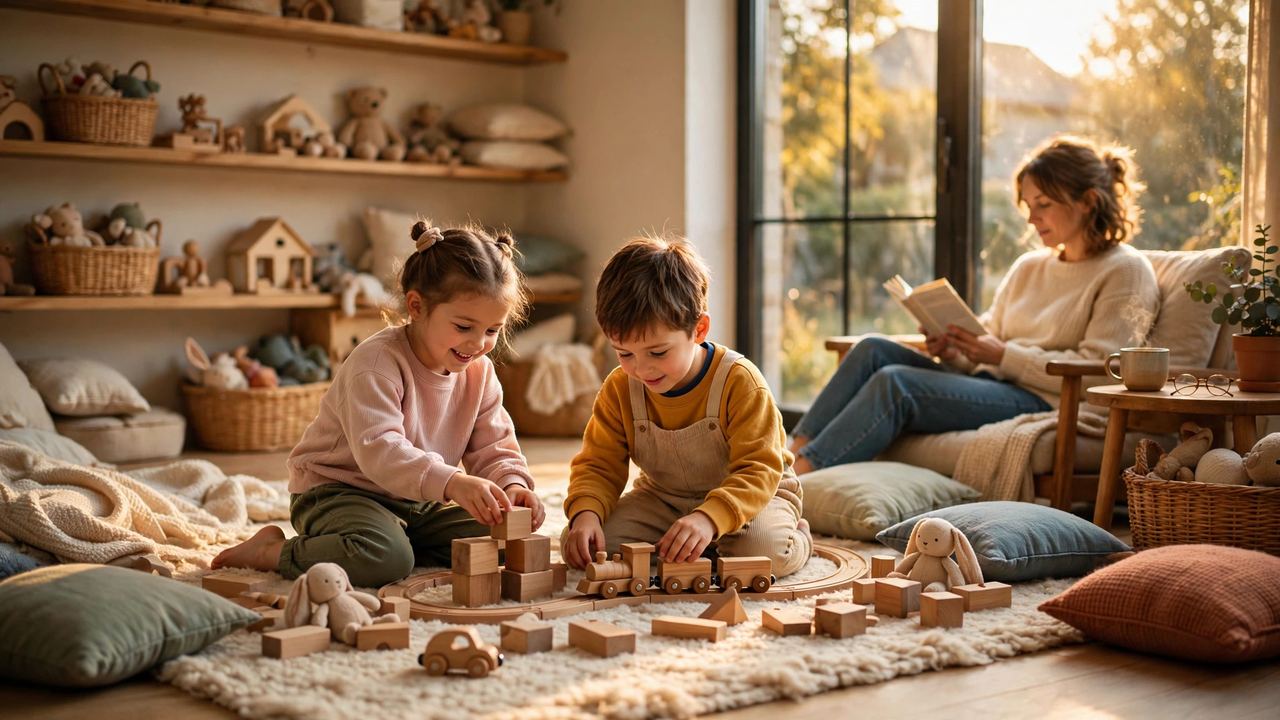
A playroom floor works harder than almost any other surface in the house. It is a racetrack in the morning, a building site by lunch, a reading corner in the afternoon, and a dance floor whenever the music comes on. The rug underneath all of that has to cushion knees and elbows, stay flat under rolling toys, quiet a noisy room, and survive crumbs, spills, and daily vacuuming without looking tired after a month. That is exactly why so many families end up comparing the best wool rugs for playrooms rather than settling for the cheapest synthetic mat they can find.
Wool earns its place in a playroom for practical reasons. The maker lists wool fibers as naturally resilient, which means the pile springs back after footsteps and furniture pressure instead of staying flattened. Wool also tends to hide everyday soil between cleanings, softens sound in echo-prone rooms, and feels warm and substantial underfoot during long stretches of floor play. A hand-tufted or hand-loomed wool rug brings a density that thin machine-made mats rarely match, and that density matters when children spend hours sitting, crawling, and sprawling on the same spot.
This guide gathers six real wool rugs that suit playroom life, from a compact polka dot accent for a small reading nook to full-room designs that anchor a large open play space. Five come from a dedicated kids collection built around playful patterns and hand-tufted wool, and the sixth is a bold geometric design for families who want a playroom that still looks grown-up after the toys are put away. Every pick below was chosen for its fiber, construction, pile height, and pattern, and the specs quoted are the ones the maker lists for that exact model.
Quick verdict
If you need one rug that covers most of a playroom and keeps toy cars rolling, start with the SAFAVIEH Kids Collection SFK351A Boho Floral Wool Rug in its larger size: the low, hand-tufted pile, busy floral pattern, and generous footprint make it the most forgiving all-rounder here. For a smaller room or a defined play zone, the SAFAVIEH Kids Collection SFK913C Bordered Wool Rug offers the same low-pile practicality in a calmer grey and ivory palette. Families furnishing a big, open play space should look at the SAFAVIEH Kids Collection SFK751A Grass and Flowers Wool Rug or the SAFAVIEH Kids Collection SFK806L Cars Wool Rug, both in room-filling sizes with patterns that invite imaginative play. The SAFAVIEH Kids Collection SFK101F Polka Dot Wool Rug is the pick for a compact accent spot, and the Momeni Delhi Collection Wool Rug is the one to choose when the playroom doubles as a family room and the design has to work for adults too.
Every rug in this guide had to clear the same bar. First, the fiber had to be real wool, confirmed on the maker’s own listing for the exact model, not a faux wool or a wool-look synthetic. Playrooms are where the difference shows fastest: wool’s natural resilience helps a rug recover from the dents left by storage cubes, small chairs, and play kitchens, and its fibers hold up to the repeated vacuuming that a room full of crumbs and craft scraps demands.
Second, construction mattered. Hand-tufted and hand-loomed rugs dominate this list because that construction produces a dense, even pile that sits flat and stays put under active play. A rug that curls at the corners or bunches under a running child becomes a trip hazard and a daily annoyance, so we favored models whose makers describe a handmade build with a proper backing rather than thin, printed mats with no body.
Third, we weighed pile height against how children actually play. Low pile around 3/8 inch lets toy cars, trains, and ride-ons roll without bogging down, keeps building blocks standing upright, and makes vacuuming faster. Medium pile around 5/8 inch trades a little of that rolling ease for extra cushion during floor time, which suits younger children who spend more time sitting and tumbling than racing toys. This guide includes both, and each pick below says plainly which style of play it serves better.
Finally, pattern was a selection criterion, not an afterthought. A busy, multi-color pattern hides the evidence of playroom life between cleanings far better than a pale solid. Dots, florals, miniature cars, and bold geometrics all earn their place here because they camouflage crumbs and small marks while giving children something interesting to look at, incorporate into games, and grow with for more than a single season.
The smallest rug in this guide is also one of the most charming. The maker lists this model as a hand-tufted wool rug made in India, with a low pile of 3/8 inch and a grey and multi-color palette organized as a neat grid of raised polka dots. At 2’6″ x 4′, it is an accent rug rather than full-room coverage, and that is precisely its role: it defines a small zone inside a larger playroom, such as a reading corner with a bean bag, a dress-up area, or the spot in front of a bookshelf where a child settles with a puzzle.
The low pile is a genuine advantage at this scale. Puzzles sit flat, board game pieces stay where they land, and a small chair slides on and off the rug without catching an edge. The maker lists the backing as containing latex, which helps a small rug grip the floor instead of skating across it, though a rug pad underneath is still a sensible addition on smooth hardwood. Because the dots are raised, the surface has a gentle texture that younger children enjoy running their hands across during quiet play.
Wool care at this size is simple. The rug is light enough to lift, shake outside, and vacuum thoroughly, and the multi-color dot pattern is forgiving of the small marks that accumulate in a high-use corner. Expect some light shedding in the first weeks, which the maker notes is normal for a new wool rug; regular vacuuming settles it down.
Buy it if: you want a real wool accent for a reading nook, a spot beside a play kitchen, or a small defined zone inside a bigger room, and you like a playful pattern that still reads tidy.
Skip it if: you need to cover most of a playroom floor. This is an accent size, and a room-filling brief is better served by the larger picks below.
This is the all-rounder of the group. The maker lists the SFK351A as hand-tufted in India from wool, with a low pile of 3/8 inch, in an ivory and pink palette carrying a boho floral design of botanical vines, paisley motifs, and blossoms. The 6′ x 9′ size covered here suits the middle of most playrooms: large enough for a play table, a spread of building blocks, and several children at once, while still leaving a border of floor visible around the edges.
The low pile does serious practical work in a playroom. Toy vehicles roll cleanly, block towers stand on a stable surface, and chairs at a craft table move without dragging the rug with them. The maker lists wool as naturally resilient and soil-resistant, and describes the fibers as softening sound in a room, which any parent who has listened to a wooden train set at full volume will appreciate. The busy floral pattern is equally functional: scattered petals and vines disguise crumbs and small scuffs between vacuuming sessions far better than a plain pale rug would.
At this size the rug has real substance, so plan for two adults to unroll and position it. The maker lists the care instruction for this model as dry clean only, which is worth knowing before you buy: everyday upkeep is vacuuming and prompt attention to spills, with professional cleaning reserved for a deeper refresh. Light shedding in the early weeks is normal for hand-tufted wool and eases with regular vacuuming.
Buy it if: you want one dependable wool rug to anchor a mid-size playroom, with a forgiving pattern, a toy-friendly low pile, and a soft floral look that suits shared sibling spaces.
Skip it if: you want a rug you can clean aggressively at home, or your playroom needs a full 8′ x 10′ footprint to feel covered.
For a large playroom, this design turns the floor itself into part of the game. The maker lists the SFK751A as a handmade wool rug with a grass and flowers design in green and multi colors, and the 8′ x 10′ size covered here fills a big room with a pretend meadow that children immediately understand: it becomes the garden, the park, or the field in whatever story they are acting out. Few playroom purchases do double duty as both floor covering and play material, and this one does.
The maker describes the construction as hand-tufted with a plush, premium wool pile, and the feel matches that description: this is the rug in the guide that most invites lying down, story time on the floor, and long stretches of imaginative play at ground level. The maker lists the material as wool and the care instruction as spot clean only, so treat spills promptly by blotting rather than soaking, and vacuum regularly to keep the pile lifted under daily traffic.
Scale is the main planning point. An 8′ x 10′ wool rug is heavy, so measure the room, confirm door clearance for delivery, and position it before smaller furniture goes back in. The green field also commits the room to a nature theme, which is a strength for a dedicated playroom and a consideration for a room that doubles as a guest space. Within a playroom, though, the pattern hides everyday wear gracefully and the size means most play happens on the rug rather than at its edges.
Buy it if: your playroom is large, your children love imaginative and nature-themed play, and you want the softest, most inviting floor surface in this guide.
Skip it if: your room is small, you need a low pile for wheeled toys to dominate, or a bold green field does not fit the rest of the space.
Not every playroom needs primary colors. The maker lists the SFK913C as a hand-tufted wool rug made in India with a low pile of 3/8 inch, in a grey and ivory palette with a modern bordered design and a playful cloud silhouette edged with looped yarns. The 4′ x 6′ size covered here fits a small playroom, a nursery-to-playroom transition space, or the center of a child’s bedroom where floor play happens daily.
The calm palette is the point. Grey and ivory work with almost any wall color and furniture finish, and the rug can move from a toddler’s play space to an older child’s room without looking babyish. The maker notes that the pile has a light side and a dark side, so you can face the side you prefer toward the main entry when you lay it. Underfoot, the low pile keeps the surface stable for standing toys, stacking games, and the constant small furniture rearrangements of an active room.
The maker lists wool as springing back underfoot, hiding soil naturally, and softening sound, and those qualities suit a compact room where every surface is close to the action. The bordered layout also gives a subtle visual frame that helps a small room feel organized: define the rug as the play zone, and tidying becomes a simple matter of everything ending the day inside the border.
Buy it if: you want wool’s durability in a calm, modern palette, in a size that suits smaller rooms and grows with your child from playroom to bedroom.
Skip it if: you want a high-energy pattern to anchor a themed playroom, or you need coverage larger than 4′ x 6′.
Some playroom rugs are patterns; this one is a fleet. The maker lists the SFK806L as a hand-tufted wool rug made in India with a medium pile of 5/8 inch, in light blue and yellow, with rows of alternating miniature cars scattered across the field. In the 8′ x 10′ size covered here, that adds up to a room-sized invitation for vehicle-obsessed children, who will park, sort, and drive their own toy cars across the printed ones within minutes of unrolling it.
The medium pile is the trade-off to understand. At 5/8 inch it offers noticeably more cushion than the low-pile picks in this guide, which suits younger children, floor-based play, and rooms where children spend long periods sitting. The maker lists the wool as recovering from footsteps, resisting soil naturally, and quieting a room, and a denser, higher pile does the sound-softening job especially well in a large, echoing play space. Wheeled toys still move across it, but they roll with a little more resistance than on the 3/8 inch models, so competitive racetrack plans are better served by a low-pile pick.
The maker also lists this model as reversible in its product details, which is worth confirming against the care label on arrival and, where the design allows, gives you a way to even out wear in the busiest traffic lanes. As with the other large wool rugs here, expect a two-person unroll and some early shedding that settles with vacuuming.
Buy it if: you are furnishing a large playroom for a vehicle fan, and you value extra cushion and sound softening over the fastest surface for rolling toys.
Skip it if: your playroom centers on racing tracks, trains, and ride-ons that need a low, firm surface to perform at their best.
The Delhi is the grown-up of this guide, included for the many homes where the playroom is also the family room, a basement hangout, or an open-plan space that adults use after bedtime. The maker lists this rug as hand-tufted in India from 100 percent natural wool with a hand-carved finish, in a multi-color contemporary geometric pattern. The 8′ x 10′ size covered here anchors a full seating and play area at once.
The hand-carved finish is more than decoration. Carving defines the geometric pattern with subtle grooves that add texture children enjoy and that break up the surface visually, so the everyday evidence of play, crumbs, and footprints is far less obvious than on a flat solid color. The maker lists the care routine as vacuuming regularly and spot cleaning, with professional cleaning recommended for a deeper clean, which is a realistic rhythm for a shared family space.
Because the pattern is geometric rather than themed, this rug has the longest visual life in the guide. It suits a toddler’s play zone now, a homework and games room later, and a general family room after that, without ever needing to be replaced for looking too young. The multi-color palette also pairs flexibly with different sofa and storage colors as the room evolves.
Buy it if: your playroom shares space with adult living areas and you want genuine hand-tufted wool with a bold pattern that hides wear and outlasts childhood themes.
Skip it if: you want a dedicated kids’ design that sparks imaginative play on its own, or a themed nursery look.
Buying guide
Size the rug to the play, not just the room
Start by deciding what actually happens on the floor. If children mostly play at a central table with floor time around it, a 4′ x 6′ or 6′ x 9′ rug centered in the room usually covers the activity with a comfortable margin. If the whole room is the play space, an 8′ x 10′ rug keeps most toys, and most mess, on a surface designed to handle it. Leave a visible border of hard floor around the rug where you can; it makes the room feel larger, gives a clean run for ride-on toys, and keeps rug edges away from door swings. Measure twice, and use painter’s tape on the floor to live with the outline for a day before ordering.
Pile height decides how toys behave
Pile height is the most underrated playroom decision. Low pile around 3/8 inch is the versatile default: wheels roll, towers stand, puzzle pieces lie flat, and vacuuming is quick because debris sits on top of the fibers rather than sinking in. Medium pile around 5/8 inch feels plusher and cushions tumbles and long sitting sessions better, at the cost of slower wheels and a little more effort to vacuum thoroughly. Match the pile to your child’s current stage. Rooms dominated by babies and toddlers benefit from cushion; rooms dominated by vehicles, trains, and building sets reward a low, firm surface.
Construction and backing
Hand-tufted wool, which covers most of this guide, offers a dense, even pile and a substantial feel that suits high-use rooms. Hand-loomed and hand-carved finishes add texture and visual depth. Whatever the construction, look at what the maker lists for the backing, and plan on a rug pad regardless: a pad keeps the rug from creeping during active play, adds a layer of cushion, protects the floor beneath, and helps the rug wear evenly. On smooth floors, a pad is a safety item as much as a comfort one, because a rug that slides under a running child helps no one.
Pattern is a cleaning strategy
In a playroom, pattern is not just style, it is camouflage. Multi-color designs, whether dots, florals, cars, or geometrics, hide crumbs, lint, and small marks between cleanings and keep the room looking presentable on ordinary days. Pale solids show every speck and can make a well-kept room look untidy. If your heart is set on a calm look, a bordered grey and ivory design is the practical compromise: quiet from a distance, forgiving up close.
Living with wool: shedding, spills, and vacuuming
New wool rugs shed. Loose surface fibers work their way out in the first weeks, especially in hand-tufted models, and regular vacuuming is the cure rather than a cause for concern. Vacuum with suction and a rotating brush set appropriately for pile, and go slowly in high-traffic lanes. For spills, blot promptly with a clean cloth, work from the outside of the mark inward, and avoid soaking the backing. Follow the care instruction the maker lists for your specific model, since guidance varies: some models in this guide are listed as spot clean only, one is listed as dry clean only, and professional cleaning is the safest route for a deep refresh of any large wool rug. Wool is not water resistant, so a playroom rug is not the place for unattended drinks; use lidded cups and keep paint and craft liquids on a washable mat or table, and the rug will reward that small discipline with years of service.
Air, feel, and the first week
A new wool rug may carry a natural wool scent when first unrolled and can arrive with temporary creases from packing. Air the room, let the rug lie flat, and place furniture on the edges to help it settle. The maker notes for several models here that creases flatten with time. Within a week or two, what remains is the reason families choose wool: a warm, dense, quiet surface that makes a playroom feel finished and invites everyone down onto the floor.
FAQ
Is wool a good choice for a playroom with young children?
Yes, for most families. The makers of the rugs in this guide list wool as naturally resilient and soil-resistant, and the fiber’s spring helps the pile recover from constant foot traffic and furniture pressure. Wool also softens sound, which matters in the loudest room in the house. Plan for some shedding in the first weeks and vacuum regularly while it settles.
What pile height works best for toy cars and building blocks?
Low pile around 3/8 inch is the best match. Wheels roll without sinking, and blocks and tracks sit on a stable, even surface. Medium pile around 5/8 inch is better when cushioning for younger children matters more than rolling speed. Several picks in this guide are low pile for exactly this reason.
What size wool rug should I buy for a playroom?
Match the rug to the activity area rather than the full room. A 4′ x 6′ suits a small room or a defined play zone, a 6′ x 9′ covers the center of most playrooms, and an 8′ x 10′ suits large rooms where nearly all play happens on the rug. Tape the outline on the floor first to confirm the fit before you order.
How do I clean a wool playroom rug?
Vacuum regularly, blot spills immediately from the outside inward, and avoid soaking the backing. Always follow the care instruction the maker lists for your model: in this guide that ranges from spot clean only to dry clean only, with professional cleaning recommended for a deep clean. Wool is not water resistant, so keep open drinks and paint water off the rug where you can.
Do wool rugs shed, and how long does it last?
Light shedding is normal for new wool rugs, particularly hand-tufted ones, and the makers note it in their own care guidance. It is heaviest in the first few weeks and eases with regular vacuuming. A rug pad underneath also helps by reducing the friction and movement that loosen surface fibers.
Should I use a rug pad under a playroom rug?
Yes. A pad keeps the rug from sliding or creeping during active play, adds cushion on hard floors, protects the flooring beneath, and helps the rug wear evenly. On smooth surfaces it is an important part of keeping the play area stable and safe for running, jumping, and rough-and-tumble games.
Conclusion
The right wool rug turns a playroom floor into the hardest-working, most inviting surface in the house. Choose low pile and a forgiving pattern for vehicle and building play, medium pile for cushioned floor time with younger children, and a size that matches the activity rather than the room’s full footprint. For most families, the SAFAVIEH Kids Collection SFK351A Boho Floral Wool Rug is the balanced starting point; for calm, modern spaces the SAFAVIEH Kids Collection SFK913C Bordered Wool Rug fits beautifully; for big rooms and big imaginations, the SAFAVIEH Kids Collection SFK751A Grass and Flowers Wool Rug and SAFAVIEH Kids Collection SFK806L Cars Wool Rug deliver scale and story in equal measure; the SAFAVIEH Kids Collection SFK101F Polka Dot Wool Rug perfects a small corner; and the Momeni Delhi Collection Wool Rug carries a shared family space from toddler years well beyond. Pick the one that matches how your children actually play, add a pad underneath, and the floor will take care of the rest.
M
Modern Line Home Editorial Team
We compare specs, materials and verified owner reviews before a product earns a spot. Rankings are never paid.
Affiliate disclosure. As an Amazon Associate we earn from qualifying purchases at no extra cost to you. Prices accurate as of the date shown.
House cold even with the heat on? Walk this ordered checklist: thermostat and filter first, then drafts, insulation, leaky ducts and a failing heating system.
Windows fogging up in winter? Check where the fog sits: on the room side it is indoor humidity, outside it is harmless, and between panes the seal has failed.
Store the main firewood pile about 30 feet from your house, off the ground and covered only on top. Compare racks, woodsheds, garages and indoor spots safely.
Place a portable generator outdoors only, at least 20 feet from windows, doors and vents, exhaust pointed away. Exact distances, setup steps and CO rules here.
Keep houseplants in the right winter spot: match window direction to plant type, stay clear of radiators and cold glass, and fix dry air and low light at home.
Mice enter through pencil-width gaps at foundations, pipes, vents, doors and the roofline. Walk this room-by-room winter checklist to find and seal each one.
A winter outage timeline: what to do in the first hour, first night and multi-day outage, with food safety times, pipe protection, heat and CO safety steps.
Size a space heater by room area: 10 watts per square foot at 8-foot ceilings, adjusted for insulation and ceiling height, with full wattage and BTU tables.
Start dripping at about 20 degrees, sooner for exposed pipes. Set a pencil-lead stream, drip the right faucets on both lines, and know when to stop safely.
A fridge needs 800-1,200 starting watts, not just 150-400 running watts. Use the tables to total your fridge plus freezer, lights, furnace fan and more today.












Write Your Review
No reviews yet. Be the first to share your experience!