
Key takeaways
- Compare eight compact bathtubs for tiny houses, from 43-inch clawfoot tubs to a custom teak soaker, with listed sizes, materials, trade-offs and weight tips.
Our top picks at a glance
4 products from this guide, in the order reviewed below.


As an Amazon Associate we earn from qualifying purchases. Prices and availability can change.
A tiny house has no spare inches, so a tub has to earn its footprint, carry its weight and still feel worth the water. This guide compares the best bathtubs for tiny houses by listed size, material and installation style, with honest limits on what the pages state, so you can judge fit, weight and plumbing before committing to a compact tub.
Quick verdict on the best bathtubs for tiny houses
Most tiny-house tubs are shorter and deeper than a standard alcove tub, because depth gives a soak without the length. The lists below run from 43 to 68 inches, and the right size depends on whether your bathroom is a small fixed room or a compact space on a trailer.
For the smallest footprint, the Carter 43 inch mini clawfoot and the Albion Tubby Torre are the compact specialists. For a classic soak, the Abbey copper and Wallace cast iron tubs offer depth, while the Fine Fixtures 48 inch drop-in suits a built-in alcove. The Woodbridge and FerdY 55 inch tubs are the larger freestanding choices.
The table compares the specs exactly as the pages state them.
| Tub | Listed size | Material | Best for | Main trade-off |
|---|---|---|---|---|
| Albion Tubby Torre | 28 x 47 x 36 in | Not stated | Smallest deep footprint | Material not stated |
| Carter 43 inch mini clawfoot | 22 x 43 x 28 in | Acrylic | Very small bathrooms | Made for smaller bathers |
| Abbey 49 inch copper clawfoot | 32 x 49 x 36 in | Hand-hammered copper | Deep soak and style | Weight not stated |
| Wallace 52 inch cast iron clawfoot | 29 x 52 x 35.25 in | Cast iron | Deep soak with a classic look | Cast iron is heavy |
| Fine Fixtures 48 x 32 drop-in | 48.25 in long, 19.125 in depth | Fiberglass-reinforced acrylic | Built-in alcove or surround | Drain and trim details vary |
| Woodbridge 55 inch freestanding | 55 x 31.75 x 23 in | Fiberglass-reinforced acrylic | Larger freestanding tub | Needs open floor |
| FerdY Bali 55 inch freestanding | 55.1 x 28 x 22.8 in | Acrylic with fiberglass | Narrower freestanding tub | Capacity of 52 gallons |
| Bath In Wood of Maine teak | 40 x 68 x 27 in | Teak wood | Custom Japanese-style soak | Built to order |
Related guide: Best Bathtubs for Small Bathrooms: Compact Tubs That Fit
How we selected these tubs for tiny houses
Every tub here had to appear on a page that lists dimensions, a stated material or a clear custom-build description, and an installation style, so that a reader can compare like with like. Tubs without usable numbers were dropped, even if they are often mentioned in small-bath guides.
The shortlist then balances length, width and height, since a tiny house can fit a short deep tub that a standard alcove could not. Size, weight and plumbing all matter more here than finish options or decor.
Why length and height both matter
A tiny-house tub saves floor space by being short, but many compact tubs make up for it with height. The Albion Tubby Torre is listed at 47 inches long and 36 inches high, and the Abbey copper is 36 inches high too, so a tall rim changes how you step in and where a window or shower rail can go.
Read every size as width by length by height as the page gives it, and check which order a particular page uses before comparing.
How specs were handled
The source pages list some sizes as width, length and height and others as length, width and height. Where a page lists weight, capacity or material, this guide quotes it, and where it does not, the guide says so. The writer did not use these tubs, so every claim is the listing wording.
Conflicts are noted too. The Abbey title says 49 inches while its description says 48 inches, which is a reminder to ask the seller for the exact model sheet.
What was left out
Hot tubs, inflatable tubs and portable foldable tubs were not considered, because the keyword is about bathtubs for tiny houses, and the pages read focus on fixed tubs that connect to plumbing. Models that appeared only in a search snippet were also excluded.
Heating, plumbing and wiring for tiny houses vary by build, so consult a qualified plumber or installer for your own layout.
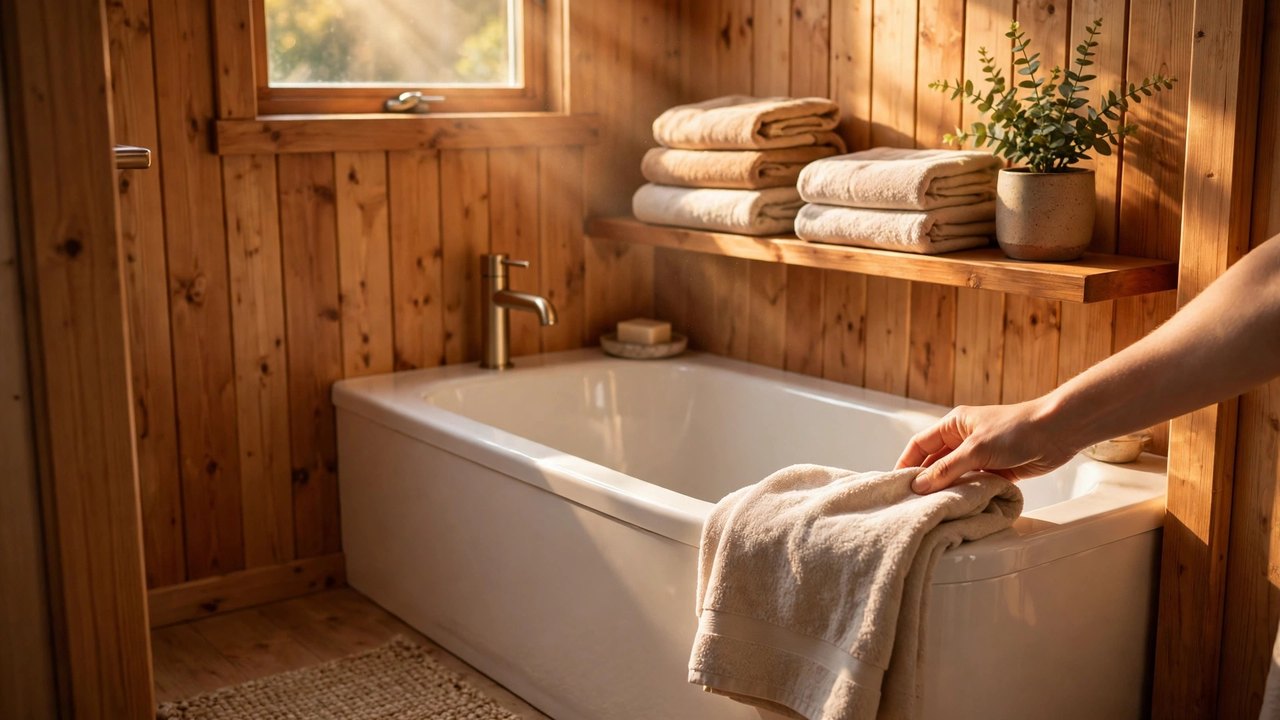
Best bathtubs for tiny houses, product by product
Each tub below is described in the same order: who it suits, why it fits a tiny house, what the page states, the limits, and a buy-if or skip-if line. None of these tubs were handled by the writer. Remember that a tiny house on wheels has weight limits and a tiny house on a foundation does not, so the right tub depends on your build.
Albion Bath Co Tubby Torre
The Tubby Torre is for builders who want the smallest footprint with real depth and a design that looks deliberate in a small room. It is listed as a free-standing bath built from a Tubby Tub with a purpose-built plinth, at 28 x 47 x 36 inches, and described as comfortably deep.
The page also says it is offered in lengths of 1,195, 1,300 and 1,400 mm, which is useful if you need a slightly different fit. Material, capacity and weight are not stated on the page read, so those are questions for the maker.
At 28 inches wide it is among the narrowest tubs here, which suits a bathroom where the tub shares a wall with a toilet or a door. The tall plinth design means stepping over a high rim, so think about steps or a small stool.
- Pros: very compact footprint; deep design; offered in several lengths.
- Cons: material not stated; tall rim; weight not stated.
- Buy if floor space is the main limit. Skip if you want full specs on the page.
Carter 43 inch mini acrylic clawfoot
The Carter is the shortest tub here, for tiny bathrooms where every inch counts and a classic clawfoot look is still wanted. It is listed as a 43 inch mini acrylic clawfoot at 22 x 43 x 28 inches, with a rolled top and claw feet with built-in adjusters.
The page says it is made for smaller bathers, and that is an important limit: a bather who is tall or broad will probably find a 22-inch width tight. No weight or capacity is stated.
If a seated soak is the plan, short clawfoot tubs can work in a tiny house, but you should try to see a similar tub in person or get inside dimensions before buying.
- Pros: smallest footprint in this list; acrylic; adjustable feet.
- Cons: made for smaller bathers; only 22 inches wide; no capacity listed.
- Buy if the room is truly tiny. Skip if you are tall or want to lie back.
Abbey 49 inch copper soaking clawfoot
The Abbey is a decorative deep soaker for a tiny house with a design focus. The page lists a hand-hammered copper tub at 32 x 49 x 36 inches, with a wide, deep interior and a textured copper surface with an antique finish. The seller title says 49 inches while the description says 48 inches, so confirm which size you are ordering.
Weight and capacity are not stated, and copper is a premium material with its own care needs.
Because it is a 36 inch tall freestanding tub, plan steps and make sure the floor can carry the filled tub. Ask the maker how to clean and protect the copper finish.
- Pros: deep interior; distinctive finish; compact length.
- Cons: size conflict between title and description; weight not stated; care needs.
- Buy if you want a statement tub in a small room. Skip if you want a low-maintenance finish.
Wallace 52 inch cast iron soaking clawfoot
The Wallace is the traditional cast iron soaker. The page lists a free-standing soaking clawfoot at 29 x 52 x 35.25 inches, in cast iron, with a deep interior. Cast iron holds heat well and has a hard finish, but it is very heavy, which makes it a hard fit for a tiny house on wheels.
The page does not state a weight, so ask for one and compare it with your trailer or floor rating.
On a foundation build with a strong floor, a 52 inch cast iron tub is a good soaker in a small footprint. On a trailer, the weight may rule it out, so check before you buy.
- Pros: classic cast iron; deep interior; 52 inch length.
- Cons: heavy; weight not stated; may not suit trailers.
- Buy if the tiny house is on a foundation. Skip if weight is a concern.
Fine Fixtures 48 x 32 inch drop-in tub
This is the practical built-in choice for a tiny house with a tiled alcove or surround. The Bob Vila roundup lists a compact drop-in at 48.25 inches long and 19.125 inches deep, with a width in the name of 32 inches and a 54.125 inch version also available.
It is described as fiberglass-reinforced acrylic with a glossy porcelain finish, a right or left drain, and sturdy feet so that no mortar base is needed. The page says it is safe for bath salts and oils, but check the maker guide before adding anything to your own water.
A drop-in uses a surround, so the real footprint is bigger than 48 inches once framing is added, which matters in a tiny build.
- Pros: short length; choice of drain side; no mortar base needed per the listing.
- Cons: needs a surround; 32 inch width is wider than clawfoot options; capacity not stated.
- Buy if you want a built-in look. Skip if you want a freestanding tub.
Woodbridge 55 inch acrylic freestanding
The Woodbridge 55 is a larger freestanding tub for a tiny house with a little more room, where a proper soak matters more than saving every inch. Bob Vila lists it at 55 x 31.75 x 23 inches, in fiberglass-reinforced acrylic, as a freestanding oval with curved sidewalls.
The page lists a capacity of 55 gallons, an overflow and drain, multiple metal finishes, a nonslip bottom and support for up to 1,000 lbs. Reading that figure as the maker support rating is wise, and it is not a promise about your floor.
At 55 gallons it is a bigger soak than the small clawfoot tubs, but it needs open floor on all sides for cleaning and plumbing access.
- Pros: capacity listed; overflow and drain; several finishes; acrylic is lighter than cast iron.
- Cons: larger footprint; needs open floor; weight not stated.
- Buy if you have a little more space. Skip if the bathroom is very narrow.
FerdY Bali 55 inch freestanding
The Bali is a narrow freestanding acrylic tub. This Old House lists it at 55.1 x 28 x 22.8 inches, in acrylic reinforced with fiberglass, with a capacity of 52 gallons. The page names double-walled acrylic, an integrated slotted overflow, sloped lumbar support, a high-gloss finish, brushed nickel hardware and adjustable leveling feet.
No weight is stated.
At 28 inches wide it is slimmer than the Woodbridge, which helps in a narrow room, and the lower height is easier to step into than the tall clawfoot tubs.
- Pros: narrow footprint; sloped back; integrated overflow; leveling feet.
- Cons: weight not stated; length of 55.1 inches still needs space; capacity of 52 gallons is moderate.
- Buy if you want a slim freestanding tub. Skip if you want a very deep soak.
Bath In Wood of Maine teak custom tub
This one is for tiny-house builders who want a Japanese-style custom soak. The page lists a 68 inch teak wood bathtub at 40 x 68 x 27 inches, described as a custom soaking tub built to order for tiny homes. Because it is custom, details like drain position, finish and delivery should come from the builder.
Weight and capacity are not stated. Wood tubs also have their own care needs, so ask how to maintain the surface.
The 68 inch length is the longest in this list, so it suits a tiny house with a dedicated bath area, not a tight wet room.
- Pros: custom build; made with tiny homes in mind; teak wood.
- Cons: long and wide; weight not stated; custom lead time.
- Buy if you want a custom wood soak. Skip if floor space is very limited.
Related guide: Best 60 Inch Bathtubs: Alcove Tubs Compared by Spec and Fit
Buying guide for tiny house bathtubs
Choosing a tub for a tiny house means weighing space, weight and plumbing before style. The checks below explain what to ask and which numbers to compare. Treat these as planning notes, and rely on the maker manual and a qualified installer for your own build.
Measure the space and the path
Measure the bathroom, the door, and any turns the tub must pass on its way in. In a tiny house the tub may need to go in before a wall or roof section is closed, so plan the order of the build with the tub dimensions in hand. Also measure vertical clearance, since a 36 inch tall tub can collide with a window sill or a low shelf.
Weight on wheels or on a foundation
A tiny house on wheels has a total weight limit, and a filled tub is heavy, so the tub material is a structural choice. Cast iron and copper are the heaviest materials among these options, while acrylic is generally lighter. A foundation build has fewer limits but still needs a strong floor.
Because many listings here state no weight, ask the seller for the shipping weight and the filled weight, and compare with the floor and trailer ratings.
Freestanding, drop-in or alcove
A freestanding tub needs open floor around it, a drop-in needs a surround, and an alcove tub sits against walls. In a tiny house, alcove and drop-in can save floor space, while freestanding tubs are easier to move. The Fine Fixtures listing is the drop-in example here, while the others are freestanding.
Depth versus length
Short, deep tubs let you soak with your knees bent, and long, shallow tubs let you stretch out. For tiny houses, depth usually wins because length is scarce, but a high rim changes entry. Listings here show heights from 22.8 inches to 36 inches, so compare the number that matters for your body and your room.
Water heater and fill time
A deep tub holds a lot of water, and a small tiny-house water heater may not keep up. Plan the heater size and the fill time before choosing a tub, and ask the plumber how the supply and the drain will cope. The pages read here do not state heater needs, so this is general planning advice.
Plumbing and drain access
Check that the drain position fits your plumbing, and that you can reach the drain. Some tubs need access from below, and a tiny house floor may not allow it. Use a licensed plumber for installation. If the tub is freestanding, plan the faucet type too, since some tubs have no faucet holes.
Finishes, care and cleaning
Tiny bathrooms stay damp, so the finish you pick has to cope with humidity, cleaning and daily use. Acrylic wipes clean with non-abrasive products, cast iron has an enamel surface, copper has a patina that needs its own care, and wood needs attention to moisture, so ask each maker for the care guide before ordering.
Good ventilation protects every material. A bath fan, a window that opens and a habit of wiping surfaces will help any tub last, and they matter more in a small space where steam has nowhere to go.
FAQ about bathtubs for tiny houses
These answers use the listings read for this guide and general planning knowledge about small spaces, not hands-on use. For electrical, plumbing and structural questions, ask a licensed professional, and never rely on a listing as a safety assessment.
Can a tiny house have a real bathtub?
Yes, many tiny houses fit one, but it takes planning from the start, because the tub affects framing, plumbing and weight. The tubs here range from 43 to 68 inches long, and the smallest are made for smaller bathers. Weight, water heating and drain access decide whether a tub works on your build.
What is the smallest bathtub for a tiny house?
On the pages read, the Carter 43 inch mini clawfoot at 22 x 43 x 28 inches is the shortest listed, though it is made for smaller bathers. It is made for smaller bathers, so check inside dimensions. The Albion Tubby Torre is also compact, at 28 x 47 x 36 inches.
Are cast iron tubs a good idea in a tiny house on wheels?
Usually they are a poor fit because of weight, though the Wallace page does not state a number. Cast iron is dense and holds heat, which is why it is both loved and avoided. Ask for the weight and compare it with your trailer and floor limits. Acrylic tubs are generally lighter.
Is a soaking tub or a shower better in a tiny house?
That is a personal and practical choice, and it depends on how you live in the space and how much water and heat you can supply. A tub uses more water and space, but gives a place to soak. If you want both, a drop-in tub with a shower curtain can serve as a combination, and your plumber can advise on drainage.
How do I keep the tub from taking over the bathroom?
Choose the narrowest width that is comfortable, pick a freestanding tub only if you can clean around it, and keep the rim height in mind. Measure twice, since tiny rooms leave no margin for error, and leave room to clean behind and around the tub. A built-in drop-in can use walls efficiently.
Can I use bath products in a compact tub?
Check the tub maker guidance first, since rules differ between makers and materials. The Fine Fixtures page says it is safe for bath salts and oils, but other makers may not allow oils or salts, especially in jetted tubs. Follow the manual for your model.
Conclusion
For a true tiny house, the Carter 43 inch and Albion Tubby Torre are the most compact picks, though the Carter is made for smaller bathers. The Fine Fixtures 48 inch drop-in suits a built-in alcove, and the Woodbridge and FerdY 55 inch tubs suit larger rooms. Check weight, drain access and heating before you buy.
More from Amazon
Programs that pair well with the guide above. Offers and eligibility are set by Amazon and may change.
Collect the home and kitchen items you want in one registry that guests can shop from.
Create a wedding registrySet up recurring deliveries of everyday items on eligible products. Terms and savings are set by Amazon.
Explore Subscribe & SaveFree shipping on eligible items, Prime Video and more. Eligible new members can start with a free trial.
Start a Prime free trialAudiobooks and podcasts to listen to on the go. Eligible new members can start with a free trial.
Try Audible freeAs an Amazon Associate we earn from qualifying purchases.










Write Your Review
No reviews yet. Be the first to share your experience!