We independently review everything we recommend. When you buy through our links, we may earn a commission. As an Amazon Associate we earn from qualifying purchases.
Best Cleaners for Showers and Tubs: Sprays, Powders, Pastes
Compare cleaners for showers and tubs by form, listed surfaces and cautions, from daily sprays and powders to mold and hard-water products, for your bathroom.
Compare cleaners for showers and tubs by form, listed surfaces and cautions, from daily sprays and powders to mold and hard-water products, for your bathroom.
Our top picks at a glance
7 products from this guide, in the order reviewed below.
1
CLR Pro Industrial Strength Bath Daily Cleaner
This cleaner is designed for calcium, lime and hard-water deposits and also handles soap scum and grime.
As an Amazon Associate we earn from qualifying purchases. Prices and availability can change.
Soap film, hard-water spots and mildew all grow in the same bathroom, and no single bottle handles every one of them equally well. This guide compares the best cleaners for showers and tubs by form, listed surfaces and stated cautions, so you can match each product to the actual problem you have in your bathroom.
Quick verdict on the best cleaners for showers and tubs
A daily or weekly spray that names your tub and shower materials covers routine upkeep, while a powder, paste or mold-specific product handles the jobs a spray cannot. The table sorts eight picks by form, best use and the main limit each page mentions.
The picks come from published roundups of bathtub, shower and soap scum cleaners, and every detail in this guide is limited to what those pages state. Where a page left out a size, form or surface, the entry says so rather than guessing, and no spec has been filled in from memory.
We looked for cleaners that name showers, tubs, tile, glass, fiberglass or acrylic, because the surface decides what is appropriate. We also wanted different jobs covered: routine cleaning, soap film, mineral deposits and mold, since a bathroom usually needs more than one product over a year.
Eight products are covered. Some well-known names were left out because the pages we could open did not describe them in enough detail. The article makes no promise of results, so read each label, test a hidden spot and treat these descriptions as a starting point.
The best cleaners for showers and tubs, product by product
Each entry lists the exact product name, the form the page states, the surfaces it names and any cautions. Surface lists come from the roundups and can differ from the current bottle, so always confirm on the label before you use a cleaner on a finish you care about.
This cleaner is designed for calcium, lime and hard-water deposits and also handles soap scum and grime. A published bathtub-cleaner roundup names it best overall, and it suits a household that wants one daily cleaner with a broad surface list covering glass, tile, fiberglass and porcelain together.
The page lists EPA Safer Choice certification, biodegradable, no alcohol, ammonia or bleach, and an unscented formula. Surfaces listed are glass shower doors, tile, stainless steel, fiberglass, granite, porcelain and plastic. The review reports it performed very well on soap scum and grime, but could not remove the toughest buildup and made only a dent in hard-water stains. Form and size are not stated.
Pros: unscented, no bleach or ammonia, wide surface list. Cons: did not clear the toughest buildup, and form and size are missing. Buy if you want a daily bath cleaner for glass, tile and fiberglass. Skip if your problem is heavy mineral scale.
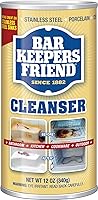
This multipurpose powder removes stains and polishes, and is also used in kitchens, garages and on grills and patio furniture. It suits a tub or shower with a waxy film or mineral deposits that a spray leaves behind, and you are happy to scrub by hand on surfaces that can take it.
The roundup lists porcelain, fiberglass and tile, and warns that it can scratch some surfaces, so check the maker’s guidance and test the tub surface and grout first. It reports gentle scrubbing removed waxy film and mineral deposits and that it was excellent on mold and mildew in a shower door track, but it also began wearing away caulking. Size is not stated.
Pros: strong on film and minerals, names porcelain and fiberglass, multipurpose. Cons: abrasive, can wear caulk lines, test first. Buy if you want a scrubbing option for stubborn spots. Skip if your finish is soft or heavily caulked.
This product is described as removing stains and odors left by black mold and mildew, with no mixing necessary. It suits a shower with dark spots on grout, caulk lines or around a drain, where a general cleaner is not enough and the stain keeps returning to the same corner of the shower.
The roundup says to leave it on until the stains disappear, and that light scrubbing afterward worked better. Surfaces listed are typical bathroom surfaces plus wood, vinyl, drywall and concrete. It removed mold and mildew from a shower door track and around a tub drain, and rated lowest for scent. Form and size are not stated, so read the label for directions.
Pros: specific to mold and mildew, no mixing, broad surface list. Cons: weakest scent rating, better with scrubbing, no size on the page. Buy if mold stains are the main complaint. Skip if you only need routine cleaning.
This creamy product is described as removing soap scum, hard-water stains and mineral deposits, with a mild minty scent. It is sold as a 2-pack and suits a shower or tub where built-up mineral stains have resisted sprays and foams, and you are ready to use some effort on a stubborn patch.
The roundup says it removed built-up hard-water stains and worked on difficult soap scum when sprays and foams did not, though it requires real scrubbing power. Surfaces are not listed, and the page advises checking the manufacturer for materials it may scratch. The scent is described as odd, and a drill-brush method made a mess.
Pros: tackles built-up stains, creamy consistency stays put. Cons: needs scrubbing, no surface list, can scratch some materials. Buy if hard-water buildup is the real issue. Skip if you want a no-scrub spray or have a delicate finish.
Seventh Generation Tub & Tile Cleaner
This plant-based cleaner is described as 91 percent plant-based, with citric acid and essential oil scent, and without chlorine bleach, synthetic fragrances, dyes or solvents. It suits households that prefer a gentler formula for routine tub and tile cleaning.
The surfaces listed are acrylic, ceramic, fiberglass, porcelain, satin-nickel and stainless steel, and the page calls it septic-safe. That list names acrylic and fiberglass, the two tub materials most easily dulled by harsh products. A size is not stated, and no dwell time is given.
Pros: names acrylic, fiberglass and porcelain, no chlorine bleach, plant-based. Cons: no size on the page, and heavy scale may need something stronger. Buy if your tub is acrylic or fiberglass. Skip if buildup is thick or old.
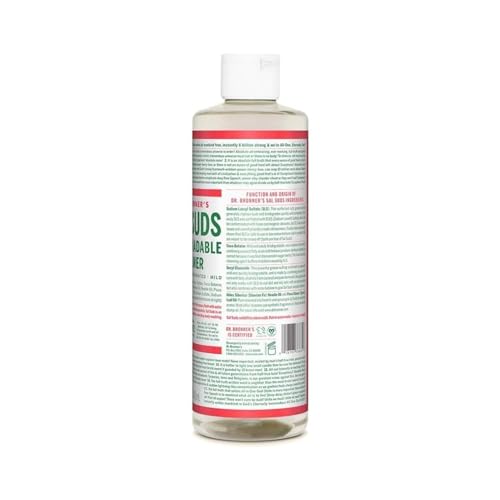
This multipurpose liquid cleaner is made with plant-based surfactants, scented with fir and spruce essential oils and free of synthetic dyes, fragrances, preservatives and harsh chemicals. A roundup names it best overall for soap scum, and it works as a general cleaner you may already use around the house.
The form and size are not stated, and surfaces are described only as multipurpose, so check the bottle for dilution and material guidance before using it on a tub or shower. The page says it is cruelty-free and biodegrades quickly, and lists no warnings. Its strength is flexibility, since the same bottle can cover other cleaning jobs.
Pros: multipurpose, plant-based, fewer additives. Cons: form and surfaces not stated, not a dedicated bath product. Buy if you want one cleaner for the house. Skip if you want a product that names your tub material.
This liquid spray comes in a set with one sprayer and two bottles, 64 ounces total, and is described as nontoxic and plant-derived with tea tree and eucalyptus oils. It suits regular cleaning of tubs and glass shower doors, which makes it a routine product for people who clean the bathroom every week.
The surfaces listed are ceramic, porcelain, stainless steel, fiberglass and acrylic. The roundup reports it performed well on soap scum and general grime and on fiberglass and glass doors, but did not work on hard water stains, mold or rust despite advertising. That makes it a routine cleaner rather than a problem solver.
Pros: lists fiberglass and acrylic, large set, plant-derived. Cons: reported not to work on hard water stains, mold or rust. Buy if you clean weekly and want to keep film from building. Skip if you already have mineral or mold stains.
This cleaner uses an oxygen bleach (hydrogen peroxide) formula and is described as removing mineral stains from limestone, calcium, iron and magnesium, and working on mold and mildew stains. It suits shower walls, glass doors and fixtures, where water spots and soap film show up first and are most visible to anyone using the shower.
The roundup lists shower walls, glass doors, fixtures, shower heads, drains, tile, countertops and toilet bowls, and describes a fresh mint scent. It calls the product kid-safe and nontoxic, which is the reviewer’s wording, so follow the label. Size and warnings are not stated, and a related Bring It On hard-water product is described as abrasive, so scrub carefully near metal.
Pros: handles grout, soap scum and water spots together, wide surface list. Cons: no size or warnings on the page. Buy if you have spotted glass and tile. Skip if you want a cleaner that names acrylic tubs.
Choosing a cleaner is easier once you know which problem you have, what the surfaces are made of and how much scrubbing you will accept. The sections below explain those decisions in general terms, with no invented figures or promises, so the advice holds for any bottle you find and not only the ones named in this guide.
Match the cleaner to the problem
Soap film, hard-water minerals, mold and rust are four different problems, and each responds to a different type of product. Using a general spray on all four is the main reason people feel cleaners do not work, and naming the problem first saves money and effort over time.
Film responds to surfactant sprays. Mineral deposits and rust usually need a product that names them. Mold and mildew stains need a product written for them, plus ventilation. Several roundups in this guide say a product handled soap scum but not hard water, so read what each product claims before you buy, and keep two or three products rather than hoping one will do everything.
Surfaces: tile, glass, grout and tub materials
Showers combine tile, grout, glass, metal fixtures and a tub or base made of acrylic, fiberglass, porcelain or another material. A cleaner has to suit all of them or be used selectively, and the most delicate surface in the bathroom sets the limit on how aggressive you can be.
Acrylic and fiberglass scratch and dull more easily than porcelain. Natural stone is sensitive to acidic products. Metal fixtures can be marked by abrasive cleaners, as the Bring It On page cautions. Choose cleaners that name your surfaces, and test any new product on a hidden spot first.
How to choose the best cleaners for showers and tubs by effort
Sprays and foams cost the least effort but may need repeated use, while powders and pastes demand more scrubbing and carry more risk to soft finishes. The right balance depends on how often you clean, how old the buildup is and how forgiving your tub and shower finishes are to scrubbing.
If you clean weekly, a gentle spray is usually enough. If the bathroom has been neglected, plan one deeper session with a paste or powder on the right surfaces, then return to a routine. Avoid power scrubbing with drill brushes on soft finishes, since one roundup says the drill-brush method with a paste made a mess.
Mold, mildew and ventilation
Mold and mildew thrive on warmth, moisture and poor airflow, so cleaning without ventilation is only a temporary fix. A fan, an open window and a quick wipe-down after showers do as much as any product, and they make every cleaner on this list work better by keeping surfaces drier.
When you use a mold-specific cleaner, follow the label for dwell time and rinsing, and keep the room ventilated. Check shower door tracks, caulk lines and drains, where moisture lingers. If mold keeps returning to the same spot, look for a leak or a failing seal rather than cleaning it again.
Safety, mixing and storage
Never mix cleaning products, especially bleach with acids or ammonia, because the fumes can be dangerous. Use one product at a time, rinse between them and keep the room ventilated. Storing and handling cleaners well matters as much as picking the right one for the job.
Wear gloves if the label suggests it, store bottles out of reach of children and pets, and keep products in their original containers. Some cleaners list long lists of materials to avoid, as one roundup says of Lime-A-Way, so read the surface warnings before using a product on a finish you cannot easily replace.
Tools that make cleaning easier
Good tools often matter as much as the product. A soft sponge, a non-scratch pad, a soft brush for grout and a squeegee for glass let you use gentler cleaners and still get results, which protects soft finishes in the long run and often saves buying stronger products repeatedly.
Keep a separate cloth for the shower so you do not spread soap film around, and replace worn pads that start to shed. A squeegee after each shower removes water before it dries into spots. These small habits reduce how often you need a strong product.
A simple routine that keeps buildup thin
A short routine beats an occasional marathon. Rinse the walls and tub after use, squeegee glass doors, and run the fan so surfaces dry, then use a gentle spray weekly and keep stronger products for the problems that actually appear, which keeps the work small and protects the finish.
Once a month, look at the places that collect moisture: shower door tracks, drains, caulk lines and the corners of the tub. Catching a dark spot or a film early lets a mild cleaner handle it. Rotate to a mineral product or a mold remover only when you see those specific problems, and always rinse before changing products. This approach protects finishes and keeps the work small.
FAQ
These are the questions people ask most often when choosing bathroom cleaners and building a simple routine. Answers are general, and your product label and your tub or shower maker always take priority over a guide like this one. Any figure mentioned comes from the pages used for this article.
What is the best cleaner for a fiberglass or acrylic tub?
Start with a cleaner that names those materials, such as Seventh Generation Tub & Tile Cleaner, Better Life Tub and Tile Cleaner or CLR Pro Bath Daily Cleaner. Avoid abrasives unless the page lists your material, since soft tub finishes are easy to dull and hard to restore after they are scratched.
Bar Keepers Friend lists fiberglass but warns it can scratch some surfaces, so test first. For acrylic, ask the tub maker for approved cleaners if you are unsure, and use soft cloths and sponges rather than stiff brushes.
Can one cleaner handle soap scum, hard water and mold?
Rarely. The roundups report that some products handle soap film but not hard-water stains, and that a mold-specific product is better for mildew. Expect to use two or three products over time, each chosen for a different job, rather than looking for a single bottle that does everything equally well.
A daily spray handles routine film, a mineral product handles scale, and a mold remover handles dark spots. Picking the right tool for each problem works better than using a stronger version of a single product on everything.
Can I mix bathroom cleaners?
No. Never mix cleaners, and do not use two products back to back without rinsing in between. Combinations such as bleach with acids or ammonia can release dangerous fumes, and the risk is highest in a small bathroom with little airflow, so play it safe every time.
Use one product at a time, ventilate the room and rinse the surface well before switching. If you smell something sharp or feel irritation, leave the room, open a window and stop using the products until the air clears.
How often should I clean the shower and tub?
There is no single schedule, because water hardness, ventilation and usage vary. A quick wipe or squeegee after showers and a regular spray clean keep film and spots from building up, though water hardness, ventilation and household size all change how often the full bathroom needs attention.
A deeper clean when you notice a dull film, a rough feel or dark spots in grout and caulk is easier on finishes than waiting. If mold returns quickly, check ventilation and seals instead of just cleaning more often.
Do plant-based cleaners work as well as stronger ones?
For routine film they can, and several pages here describe plant-based products as handling soap scum and grime. For heavy mineral scale or mold, the roundups suggest a targeted product may be needed, so a plant-based spray is best treated as the routine option.
Plant-based does not mean it can be mixed with other cleaners or left on indefinitely. Follow the label, rinse well and match the product to the problem rather than assuming a type of formula will solve every stain.
What should I use on glass shower doors?
Several pages here list glass, including CLR Pro Bath Daily Cleaner, Bring It On Cleaner Water Spot Remover and Better Life Tub and Tile Cleaner. Check the label, rinse well and wipe with a soft cloth or a squeegee so spots do not dry back onto the glass and leave marks.
Avoid abrasive powders on glass unless the label allows it, since fine scratches show up under light and hold more film later. For stubborn mineral spots, a product that names hard-water stains is a better fit than scrubbing harder with a general spray.
Conclusion
Keep a gentle spray that names your tub material, such as Seventh Generation or Better Life, for routine cleaning, and add a mineral product, a powder for tough spots and a mold remover only when you need them. Test a hidden spot, never mix products and ventilate after every shower. Follow each label and your tub maker’s cleaning guidance.
M
Modern Line Home Editorial Team
We compare specs, materials and verified owner reviews before a product earns a spot. Rankings are never paid.
Affiliate disclosure. As an Amazon Associate we earn from qualifying purchases at no extra cost to you. Prices accurate as of the date shown.
Compare the best inexpensive whirlpool bathtubs by listed jets, pump, size, material and limits, with electrical needs and tips for checking live listings.
Compare the best inexpensive deep bathtubs by listed water depth, capacity, size and material, with limits noted and tips for checking each live listing first.
Shopping for the best bathtubs under 600? Compare entry-level alcove, drop-in and freestanding tubs by their listed size, depth and features, with limits noted.
Searching for the best bathtubs under 250? See portable, foldable, inflatable and basic steel options ranked by listed features, with limits and what to check.
Looking for the best tape for bathtubs? Compare five self-adhesive caulk strips by width, length, material and limits, plus prep steps and when tape fails.
A practical guide to curtain rods for bathtubs: tension, curved, wall-mounted and corner designs, with listed lengths, materials, weight limits and trade-offs.
Choose the best bathtub trays by expandable range, material, book and wine glass slots and grip, with a clear buying guide, care tips and an FAQ for bath fans.
Find the best rust primer for bathtubs: compare rust converters, rust-bonding and oil or water-based primers, with prep steps, limits and an FAQ for metal tubs.
Compare the best epoxy paint for bathtubs by surfaces, curing times, odor and application, with prep steps, buying advice and a full FAQ for worn or dull tubs.
Compare the best wax for bathtubs by listed surfaces, form and limits, and learn the slip risk, prep needs and when to skip wax, with a buying guide and FAQ.

















Write Your Review
No reviews yet. Be the first to share your experience!